“With your eyes open, you can look to the horizon. With your eyes closed, you can look beyond.”
Artist · Mentor · Mystic
and artisan.
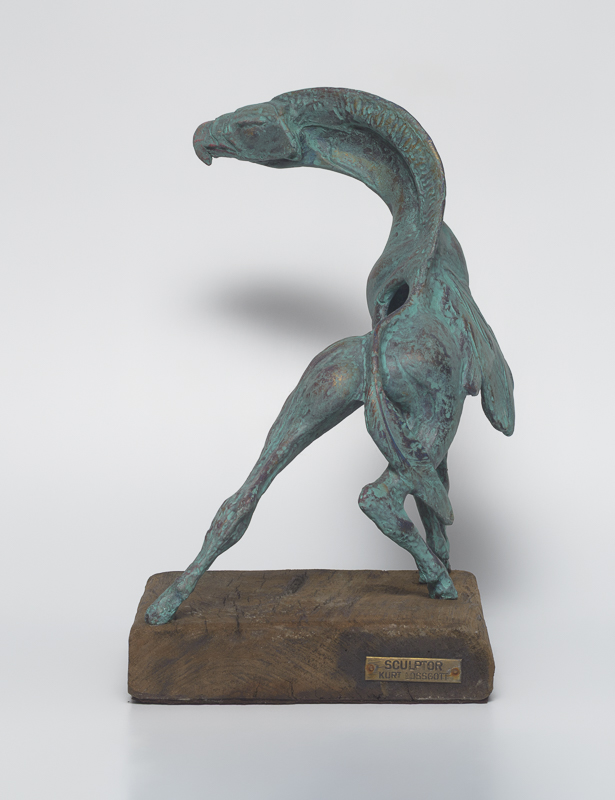
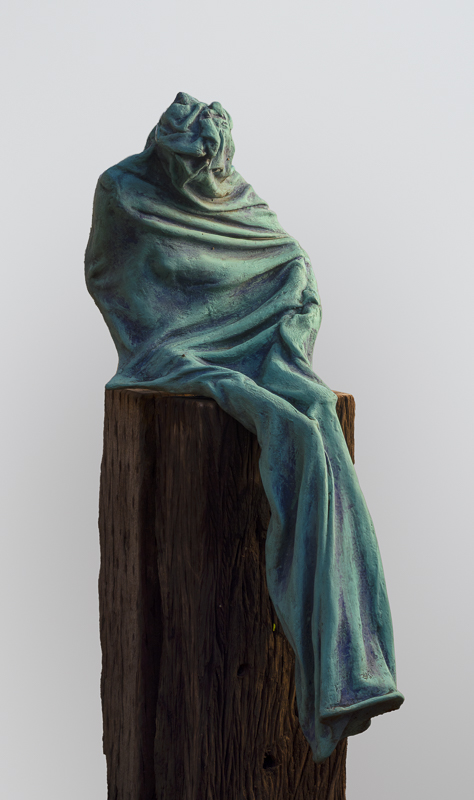
What he made moved from his rural childhood — the horse caught mid-leap, the bulls and rams — to dreams and deep mysteries: the faceless, veiled forms he renamed Tomorrow’s Angels shortly before his death. His public sculptures include a four-metre bronze of Nelson Mandela bending to an injured child outside a hospital in Umtata. His most private work never left his entrance hall: Lucifer, a chrome-winged angel fallen from pride, which he was still reworking, unfinished, when he died. In his time he mentored Mmakgabo Helen Sebidi and Tommy Motswai, ran child art competitions, collected Zimbabwean stone sculptures, and played the trombone in a carnival band. He was married to the artist Celia De Villiers, and they raised two children who dedicated their life to the arts.
The sculptures
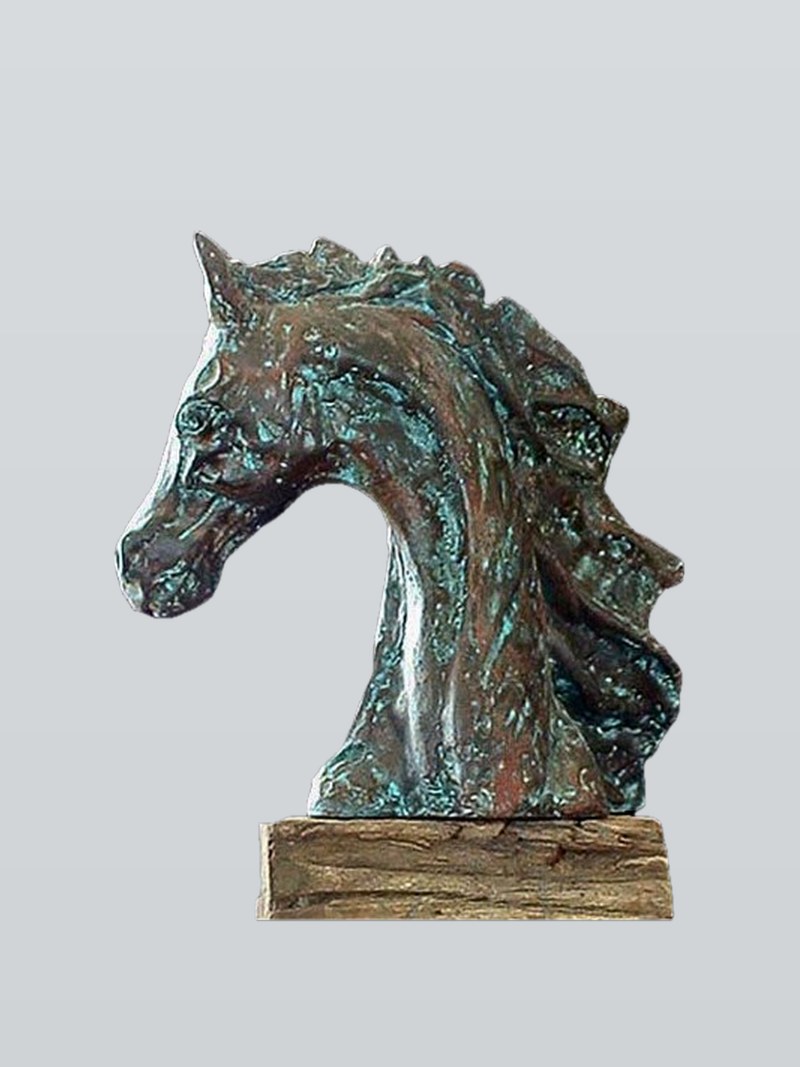
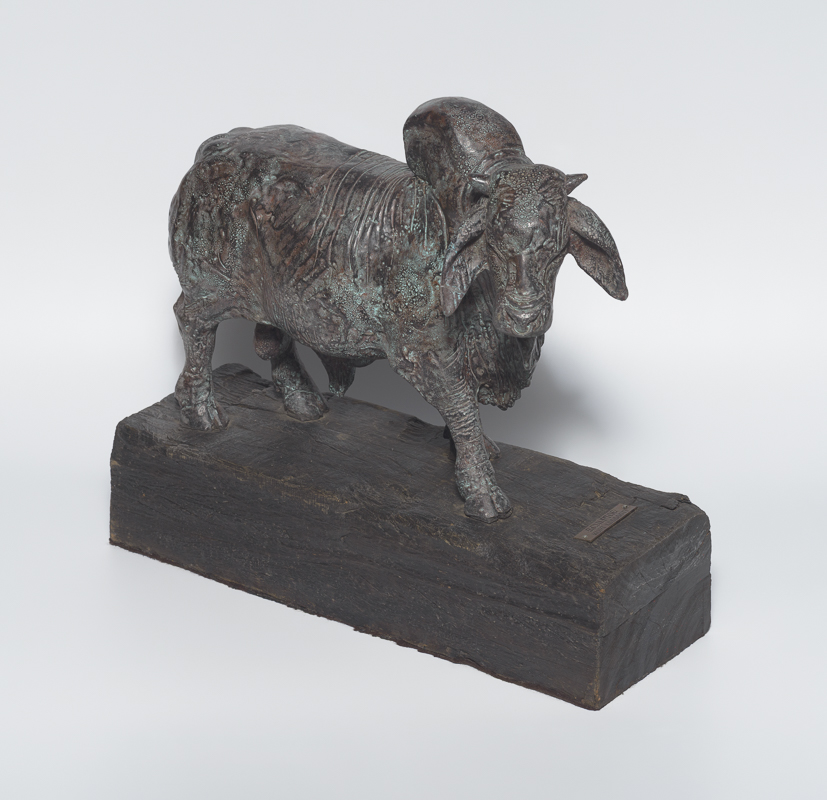
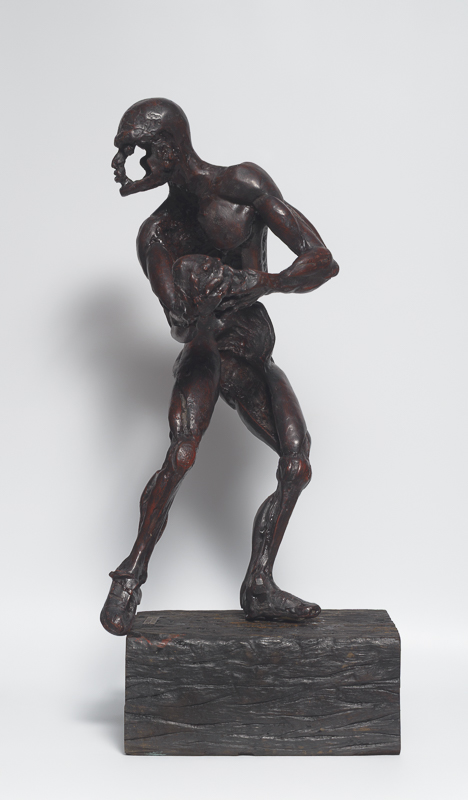
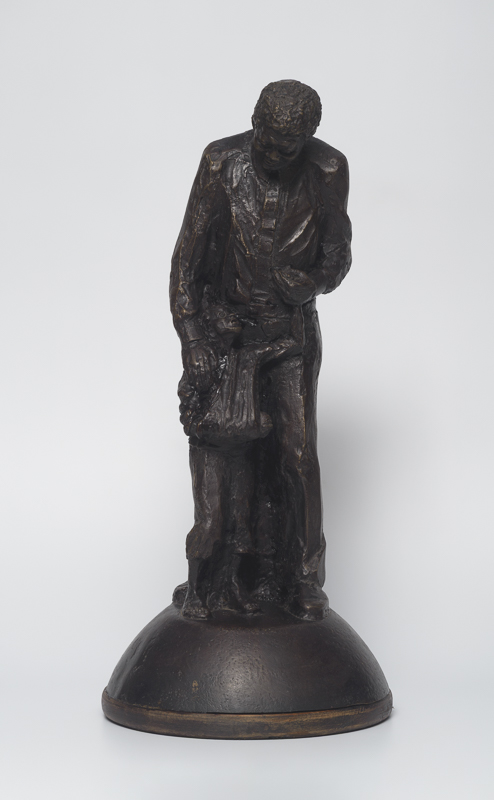
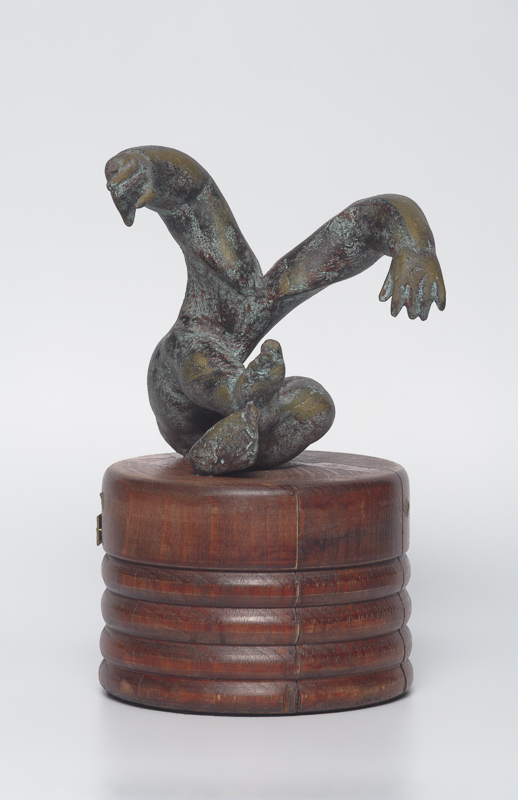
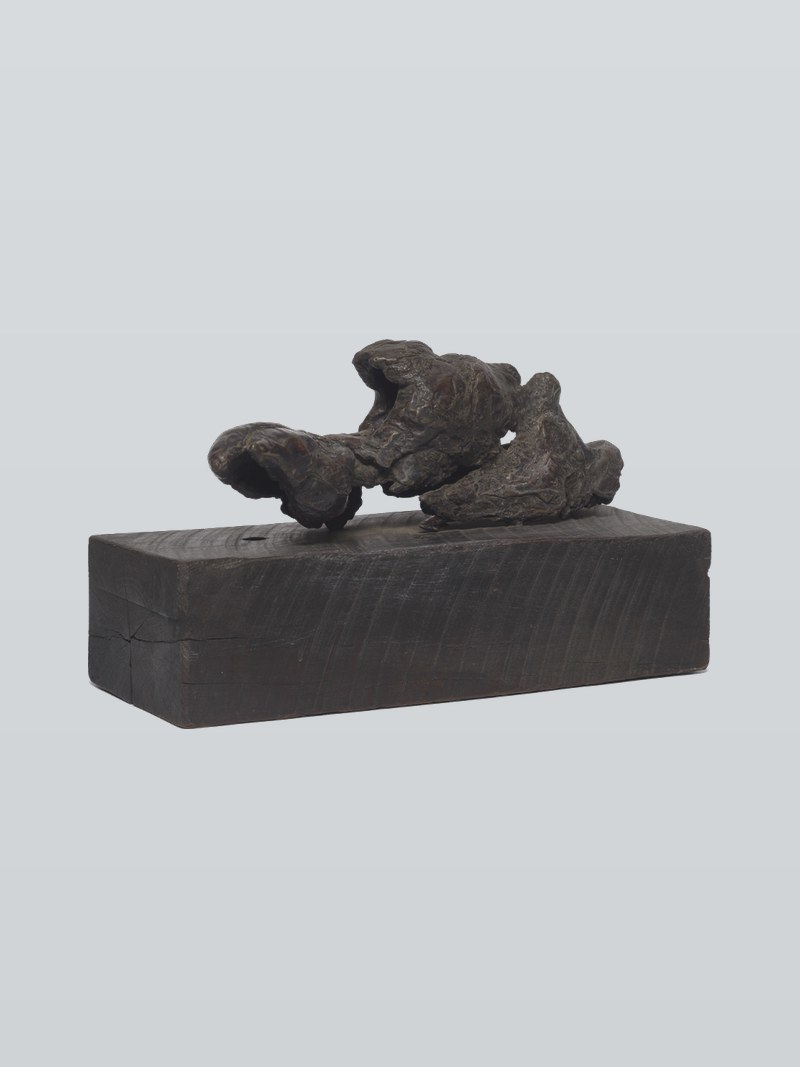
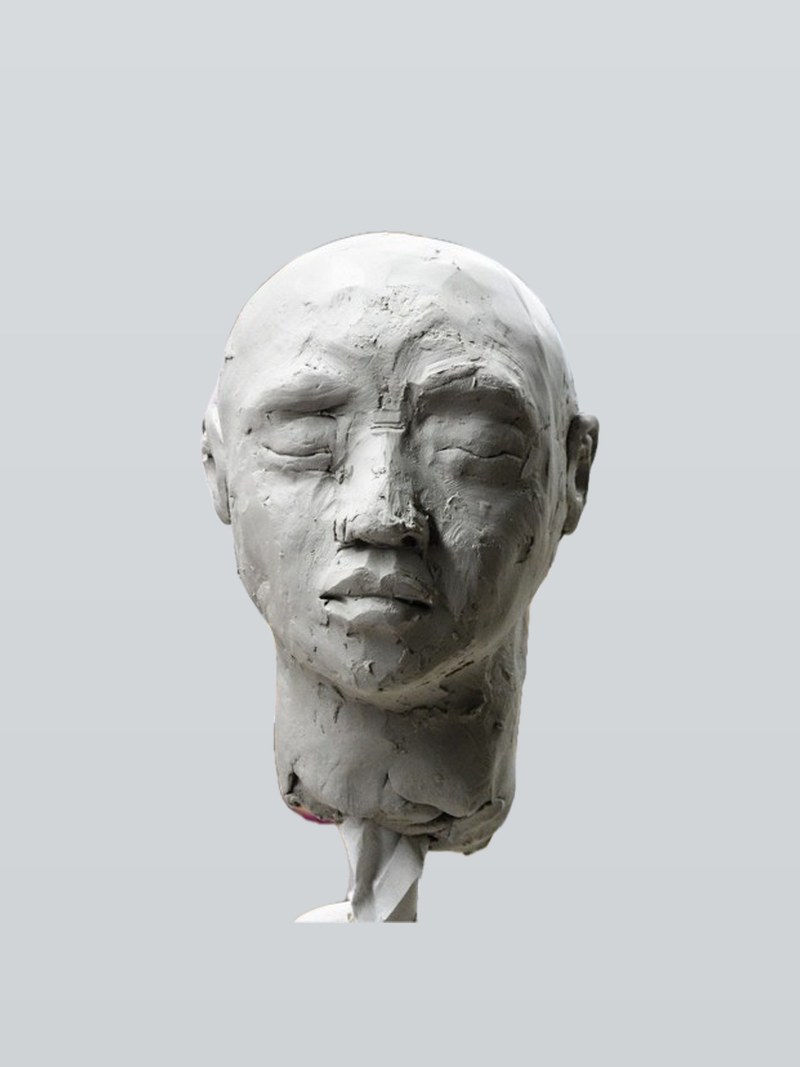
“When I make the sculptures, I know very little about the final result. I probe, evaluate and soul search in the process until I reach the point at which all mental activity subsides, leaving a feeling…” Kurt Lossgott, Gazette interview, c. 1989
Kurt Lossgott
A Biography
1941–2025 · Sculptor, Artisan, Mentor, Mystic
Sudetenland and postwar Germany
Kurt Lossgott was born on 30 December 1941 in the Sudetenland, during the upheavals of the Second World War. Resettled in postwar Germany as a working-class refugee, he trained as a fitter and turner — a grounding in materials and craftsmanship that would underpin everything he later made.
The journey south
In the 1960s he emigrated to South Africa on a contract as a refrigeration mechanic. He moonlighted as a photo-story actor and catalogue model, and tried his hand at boxing — an immigrant's improvised arrival in a new country.
The welded-metal years
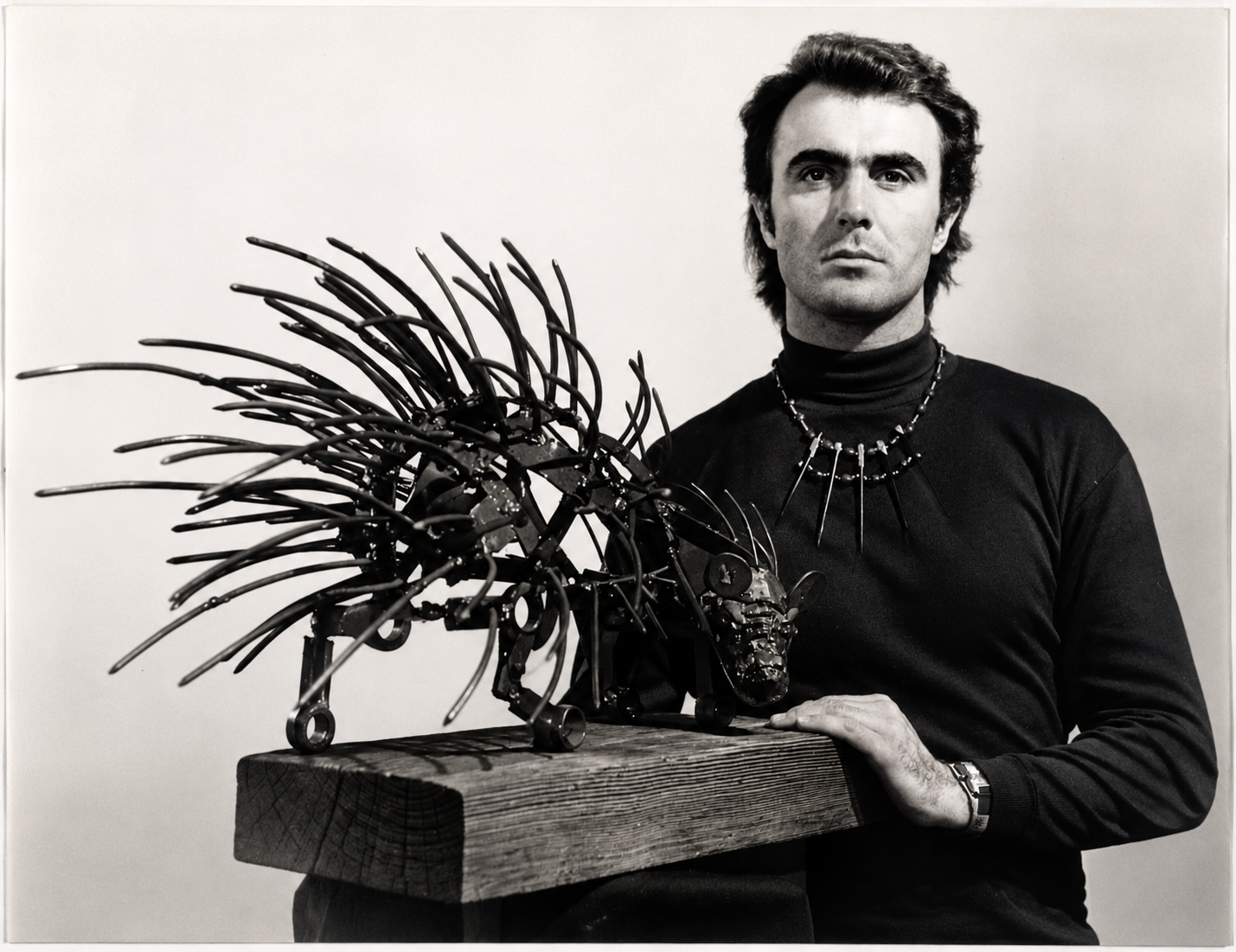
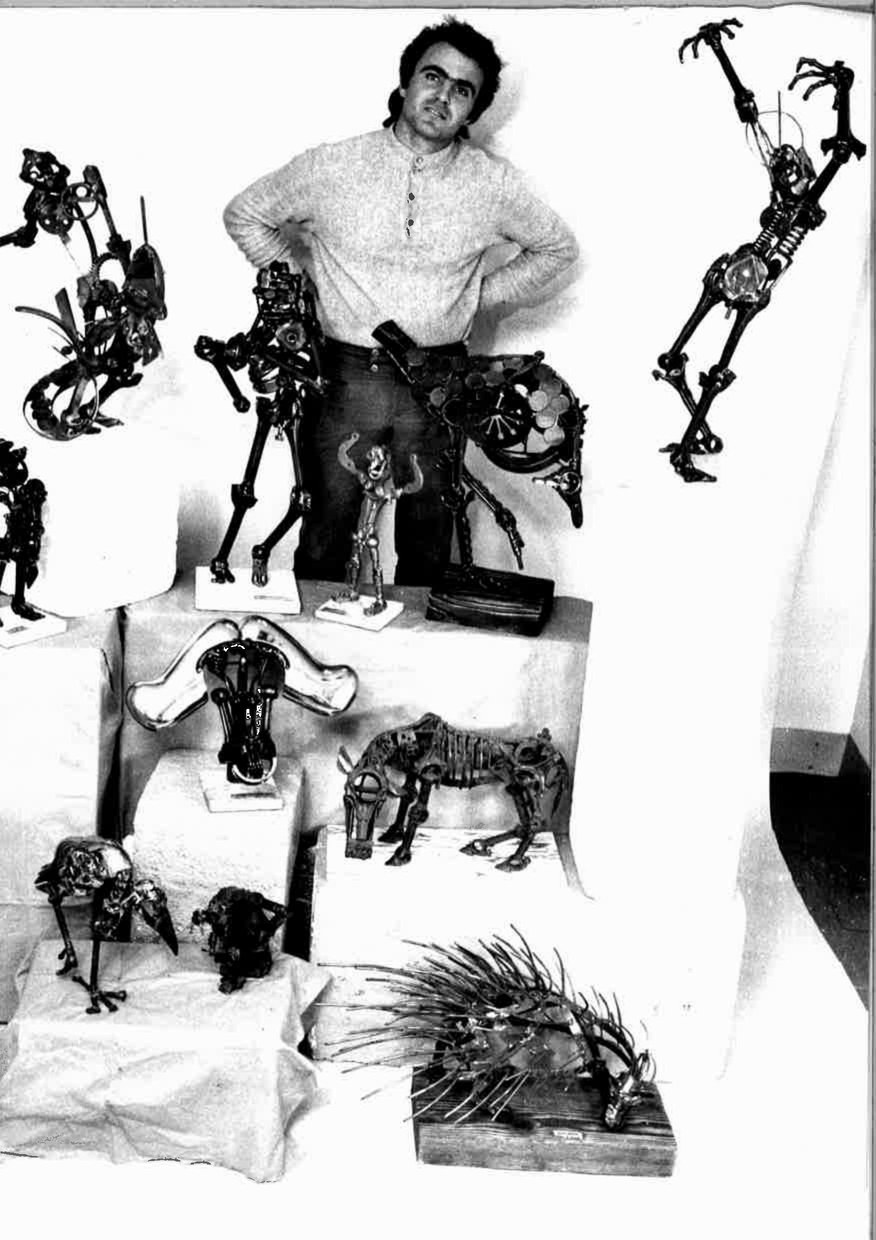
Inspired by the kinetic sculptures of Jean Tinguely, Kurt began welding figures from discarded machine parts. In 1969 he had his first solo exhibition at the Goodman Gallery in Johannesburg. The Telegraph wrote:
“Considerable interest was shown by both the artist fraternity and the general public in a recent exhibition of modern sculpture by the 28-year-old Kurt Lossgott. Most people found it hard to believe that the artist has never had any art training or coaching in his whole life, and that he only started sculpting a mere four years ago when he arrived in South Africa…”
— The Telegraph, “Sculpture from motorcar scrap”, 14 February 1969.
“I used to pick up nuts and bolts on scrap safaris at scrapyards, and picked suitable objects to become part of my subjects. Often I had a specific object in mind, but then I would find something else which proved to be better.” Kurt Lossgott in conversation with Elsa Semmelink, Looking East, 21 September 1994
Bronze and the rural studies
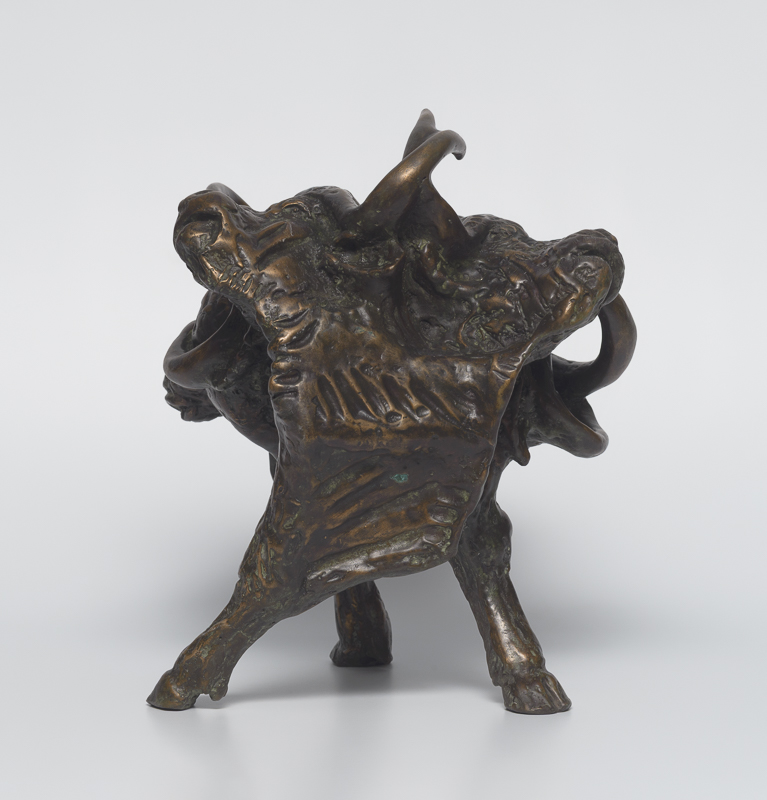
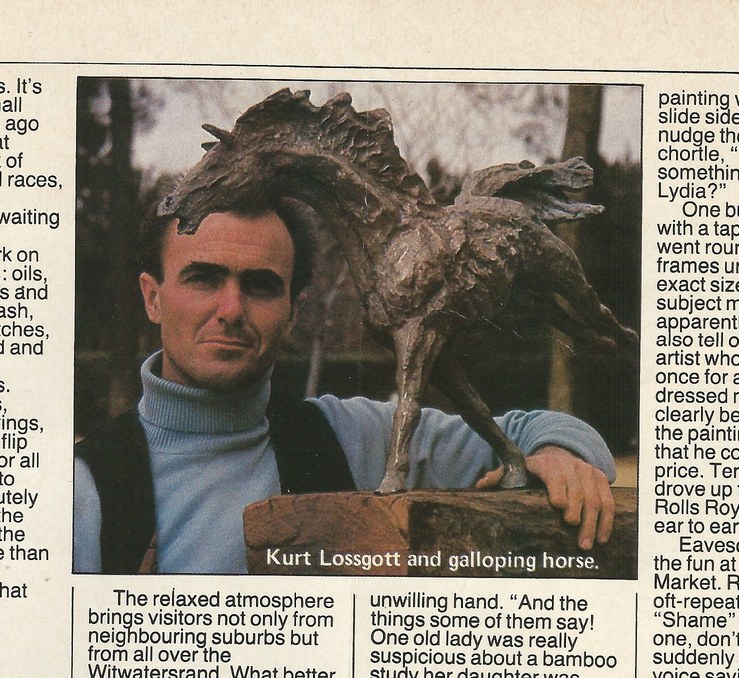
In the 1980s, Kurt further developed his skills in metal-smithing, modelling in clay and wax, and mould-making. Commissions for detailed studies of farm animals — the Brahman Bull, the Merino sheep — echoed his rural childhood. But it is the horse in motion he returned to faithfully over the years, and was probably best known for capturing.
| The Galloping Horse, the Wandering Donkey, the Musicians of Bremen
Tomorrow's Angels
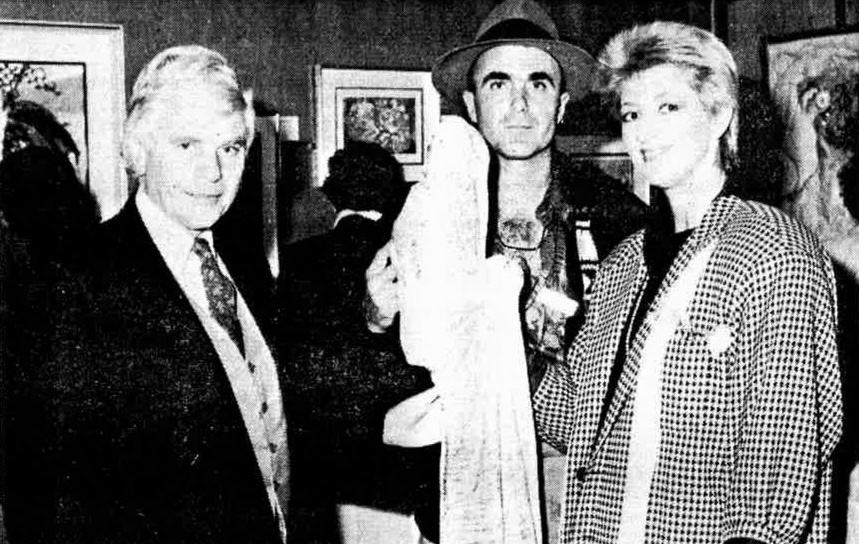
In the draped figures of what he then called the Tomorrow series, made in the early 1980s, Kurt gave body to the ancient mystery of the unknown — what many cultural traditions have called “the veil.” Late in life he renamed them Tomorrow's Angels. The veiled archetypes became central to his metaphysical work. Shown in Munich, 1987; in the Cape, 1990.
| Behind the cloak — the seven figures, from the Stranger to the Mother
“Is it possible that his figures already provide an answer to a question which we first have to ask?” A Munich critic, 1987, on the Tomorrow Series at the Bayerische Landesbank exhibition
Against the grain
Kurt did not always have an easy ride with critics.
An article in the Eastern Echo of December 1974, on the scrap-metal animal works, is dripping with ironic critique. This “vigorous, masculine sculptor”, writes the journalist, has “grasped fully” “the mechanical aspects of our sometimes nightmarish civilisation”.
In Pretoria, reviewing the joint exhibition with Celia at the SA Association of Arts, the Afrikaans critic Joey de Jager read the Tomorrow Series with less patience: “one figure looks much like the other.”
From Munich in 1987, an unnamed evening-paper critic reviewing the Bayerische Landesbank exhibition asked the question the other reviewers had not: “Does Lossgott present this group as a symbol of the deep-seated, agonising realisation of South Africa's 'apartheid' policy? Is it possible that his figures already provide an answer to a question which we first have to ask?”
Public commissions
His public sculptures enlivened spaces across South Africa — from the Flying Owl with Child at the Johannesburg Zoo (1972) and the Peacock Fountain at the Oriental Plaza (1974), to the four-metre Madiba and Child at the Nelson Mandela Academic Hospital in Umtata (2002), the highlight of his career.
The mentor
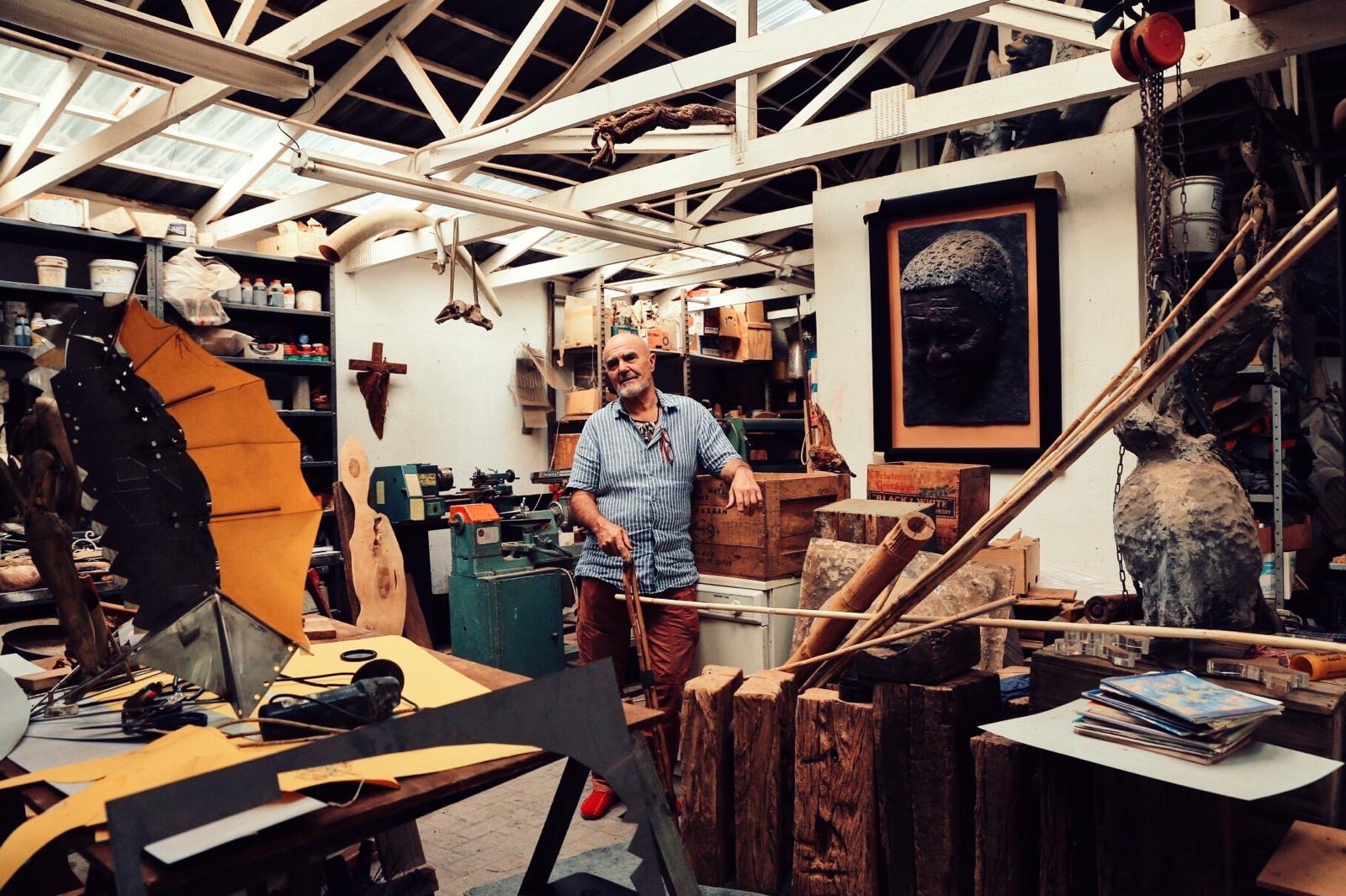
He mentored artists including Mmakgabo Helen Sebidi and Tommy Motswai, served on the Artists' Market and competition judging panels, and exhibited for many years with the artist, sculptor and educator Celia de Villiers.
Late work and Lucifer
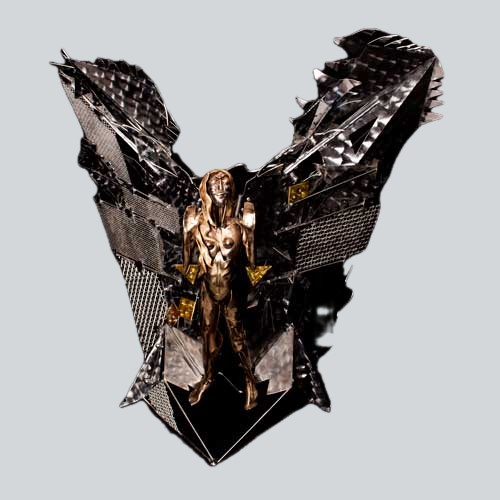
Decades of multiple sclerosis, and a pilgrimage to a spiritual healer in Brazil, gave rise to Lucifer — the unfinished fallen angel that hung in his entrance hall. Kurt read the figure as the prodigal son. The Dragon, made shortly after his grandson's birth, was his last completed work.
| Lucifer's kindred — the Spirit of Africa, the Bittereinders, the Lame Bison, the Dragon
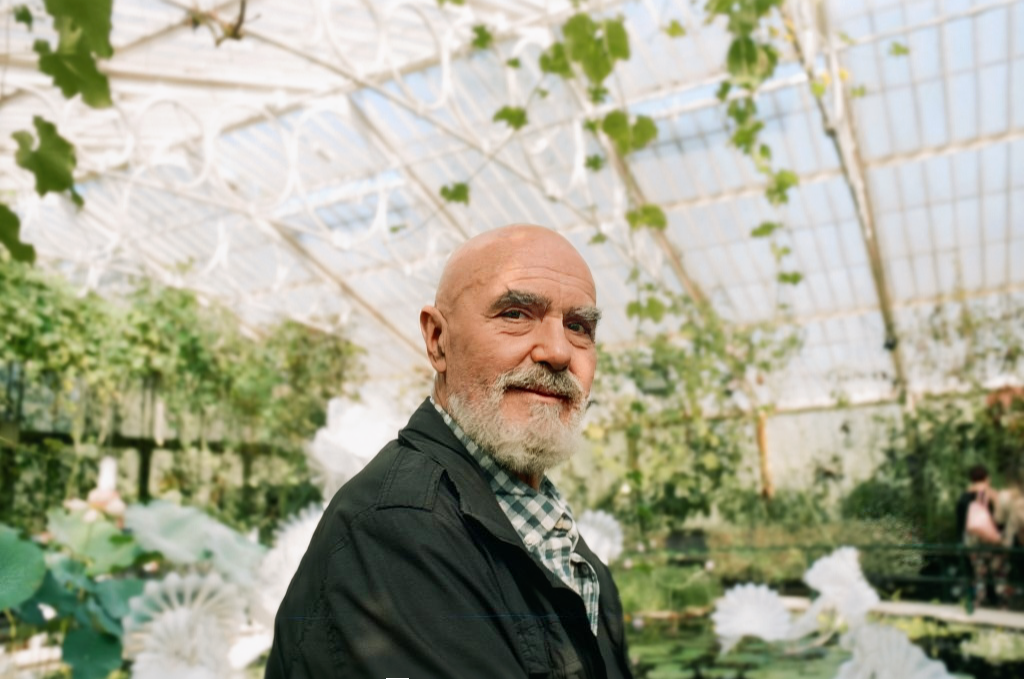
A closing chapter
A devoted Rosicrucian, Boy Scout Akela, trombone player in the Afro Guggle Swiss Carnival Band, and longtime member of the German humour club Schlaraffia, Kurt gave generously of his time and wisdom. He is remembered not only for his works, but for the imagination, generosity, and conviction he gave to many communities over six decades. His family carries his legacy forward with pride and love.
“A sculpture contains always a grain of truth. A picture is always a lie.” Kurt Lossgott, undated artist statement (handwritten)

Transcription
A sculpture contains always a grain of truth.
A picture is always a lie —
the 2D are an invention of the human intellect.
You could paint a scene as vivid as possible — it may fool the onlooker to believe it to be a window — yet it always an illusion.
A sculpture is 3D, like life, like anything on this planet.
You could feel — smell — touch — hear it. A painting you only see.
You close your eyes and it is gone.
A 2D image is necessary an illusion — that reminds you of something to compare it with — touching a cord of your subconscious. The same happens with a sculpture except it has the additional quality of involving all your senses — like life.
Anything we see is a shape of a shell or hull.
Crumpling the table napkin in his palms and throwing it down — “Now the napkin is what it wants to be.” Kurt Lossgott in conversation with Netarja van der Westhuizen, De Kat, June 2000. Translation from Afrikaans